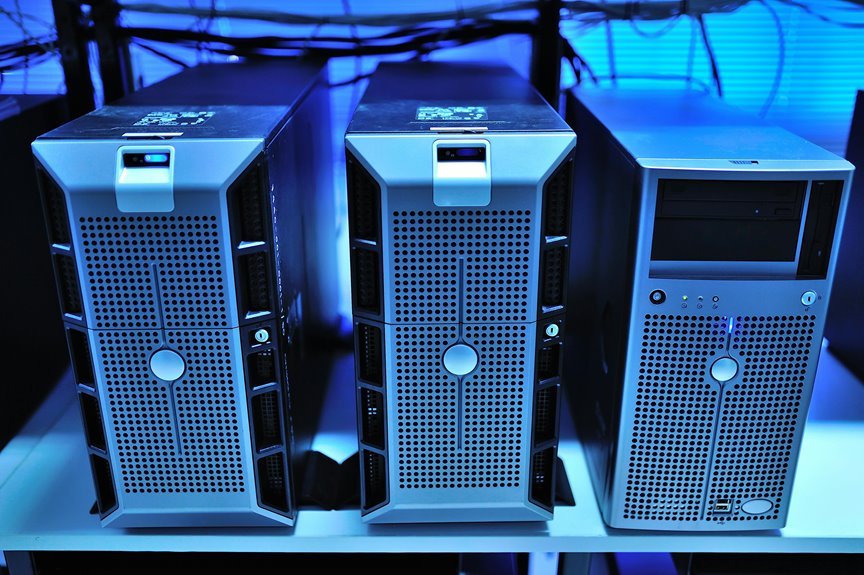
The performance of Smart IT Infrastructure 911210020 is pivotal in optimizing resource allocation and enhancing operational efficiency. By utilizing precise performance metrics and proactive maintenance strategies, it ensures system reliability and minimizes potential downtime. Furthermore, the integration of cloud and edge computing facilitates real-time analytics, fostering agile decision-making. As organizations increasingly prioritize sustainability and innovation, the implications of these advancements raise critical questions about future trends and their potential impact on the industry.
Key Performance Metrics of Smart IT Infrastructure 911210020
As organizations increasingly adopt smart IT infrastructure, understanding the key performance metrics becomes essential for optimizing resource allocation and enhancing operational efficiency.
Performance benchmarks and efficiency ratios serve as critical indicators in evaluating system performance. By analyzing these metrics, organizations can identify areas for improvement, ensuring that resources are utilized effectively while maintaining the agility necessary to adapt to evolving technological landscapes.
Benefits of Implementing Smart IT Infrastructure 911210020
Implementing smart IT infrastructure offers organizations a multitude of benefits that extend beyond mere technological upgrades. Notably, it enhances cost efficiency by optimizing resource allocation and reducing waste.
Additionally, operational agility is significantly improved, allowing organizations to swiftly adapt to market changes and evolving business needs.
This dual advantage fosters a more resilient and competitive environment, ultimately driving long-term growth and innovation.
How Does Smart IT Infrastructure 911210020 Enhance System Reliability?
How can smart IT infrastructure significantly enhance system reliability?
By implementing redundancy mechanisms, it ensures continuous service availability, mitigating the impact of potential failures.
Additionally, proactive maintenance strategies allow for timely identification and resolution of issues before they escalate, thereby minimizing downtime.
Together, these elements create a resilient framework that fosters operational stability, ultimately empowering organizations to maintain uninterrupted performance in dynamic environments.
Future Trends and Innovations in Smart IT Infrastructure 911210020
The evolution of smart IT infrastructure continues to shape the landscape of technology management, with emerging trends and innovations poised to redefine operational paradigms.
The integration of cloud computing with edge computing facilitates enhanced data processing capabilities, enabling real-time analytics and decision-making.
These advancements promise to optimize resource allocation, improve system responsiveness, and foster a more agile, scalable IT environment, empowering organizations to achieve greater operational freedom.
Conclusion
In an era where technological advancement is relentless, the efficacy of Smart IT Infrastructure 911210020 stands as a pivotal factor in shaping organizational success. As industries increasingly rely on data-driven decisions and real-time analytics, the potential for unforeseen challenges looms large. Will organizations fully harness its capabilities to enhance performance and ensure sustainability? The unfolding narrative of Smart IT Infrastructure 911210020 promises not only to redefine operational paradigms but also to unveil new dimensions of innovation yet to be explored.