AR technology is increasingly influencing retail and marketing by creating immersive experiences that engage consumers on a deeper level. Its ability to facilitate virtual try-ons and personalized product views enhances emotional connections and supports informed purchasing decisions. This shift not only lowers return rates but also reinvents traditional marketing approaches. As AR continues to advance, the implications for consumer interaction and brand loyalty warrant further exploration. What might the future hold for these evolving dynamics?
The Impact of AR Technology on Consumer Engagement
The integration of augmented reality (AR) technology in retail has significantly transformed consumer engagement strategies.
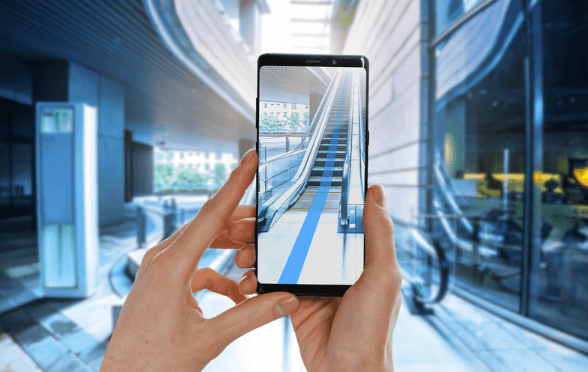
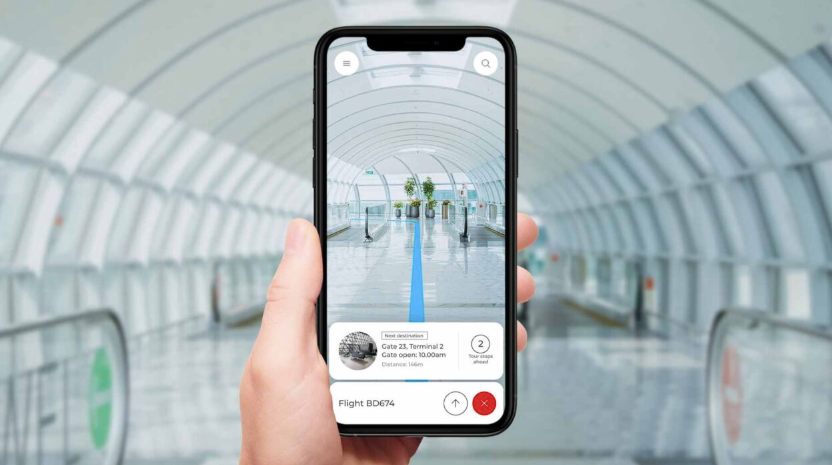
By enhancing the shopping experience, AR integration influences consumer behavior, allowing customers to visualize products in their environment.
This immersive interaction fosters emotional connections and drives purchasing decisions.
Ultimately, AR technology empowers consumers, granting them the freedom to explore and personalize their shopping journey, redefining traditional retail interactions.
Innovative Uses of AR in Retail Experiences
AR technology continues to redefine retail experiences by introducing innovative applications that enhance customer interactions.
Retailers leverage virtual try-ons, allowing consumers to visualize products on themselves before purchase, thereby reducing returns.
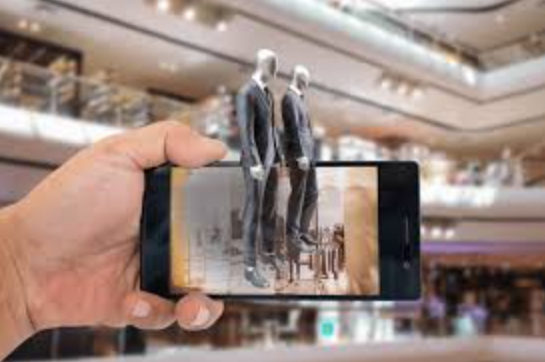
Additionally, interactive displays engage shoppers by providing immersive information about products, creating a dynamic environment that fosters exploration.
These advancements empower customers, fostering a sense of autonomy in their shopping journey.
How Does AR Enhance Marketing Strategies?
How can augmented reality (AR) reshape marketing strategies in retail?
By integrating AR personalization, brands can tailor experiences to individual preferences, enhancing the customer journey significantly. This immersive technology enables consumers to visualize products in their own environment, fostering deeper emotional connections.
Consequently, AR not only captivates attention but also drives engagement, ultimately transforming traditional marketing approaches into dynamic, interactive experiences that resonate with consumers.
See also: recordnewswire
Future Trends of AR in Retail and Marketing
As retailers look to the future, augmented reality (AR) is poised to play a pivotal role in reshaping consumer interactions and marketing strategies.
Emerging trends include virtual fitting experiences that allow customers to try products remotely, enhancing convenience and satisfaction.
Additionally, immersive storytelling will engage consumers on deeper emotional levels, fostering brand loyalty and creating a unique shopping experience that transcends traditional retail boundaries.
Conclusion
As AR technology transforms the retail landscape, it juxtaposes traditional shopping experiences with immersive, interactive engagements. While consumers once relied on static displays and limited product interactions, they now navigate dynamic virtual environments that enhance their decision-making. This evolution not only fosters deeper emotional connections but also presents brands with unprecedented opportunities to captivate and retain customer loyalty. Ultimately, the integration of AR signifies a pivotal shift in how products are marketed and experienced, promising a future rich with innovation.