AR technology is transforming navigation systems by blending digital information with real-world environments. This integration enhances user experiences, making navigation more intuitive and interactive. As users engage with their surroundings in novel ways, the implications for various sectors are profound. Yet, the evolution of AR navigation raises questions about its future impact on urban planning and tourism. What advancements lie ahead, and how will they reshape our understanding of navigation?
How AR Navigation Systems Enhance User Experience
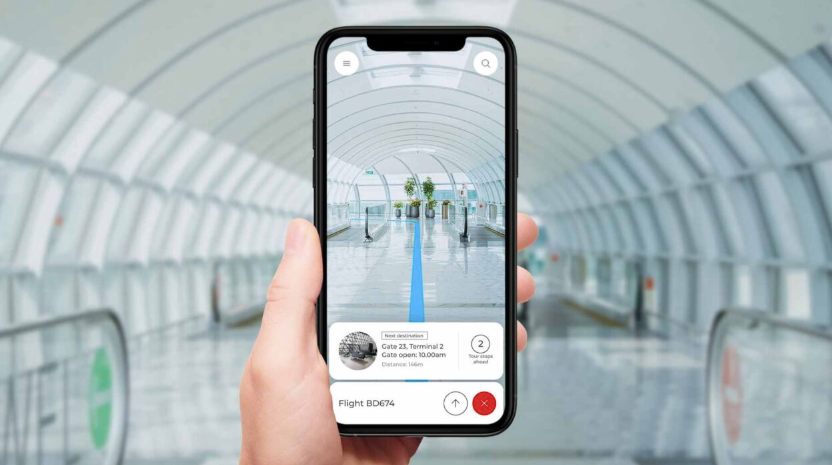
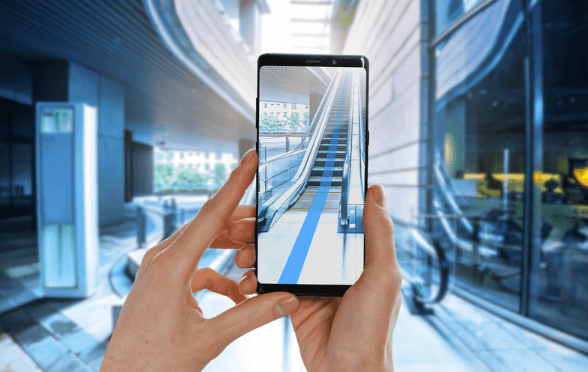
Augmented Reality (AR) navigation systems significantly enhance user experience by seamlessly integrating real-world environments with digital information.
These systems employ intuitive user interfaces that promote heightened user engagement, allowing individuals to interact with their surroundings in novel ways.
Real-World Applications of AR in Navigation
AR navigation systems are increasingly finding practical applications across various sectors, showcasing their versatility and effectiveness.
In urban planning, they facilitate real-time data visualization for infrastructure development.
During emergency response, AR navigation enhances situational awareness, guiding personnel swiftly.
Furthermore, in tourism enhancement, these systems offer immersive experiences, allowing visitors to explore destinations with enriched contextual information, ultimately fostering a deeper connection to their surroundings.
The Technology Behind AR Navigation Solutions
As users navigate through complex environments, the technology underpinning AR navigation solutions plays a crucial role in enhancing their experience.
Key components include precise marker placement and advanced spatial mapping, which allow for real-time interaction with surroundings. These technologies create immersive overlays, guiding users effectively while maintaining a sense of freedom and exploration.
Ultimately, this transforms how individuals perceive and engage with their environment.
See also: recordnewswire
Future Trends and Innovations in AR Navigation Systems
How will emerging technologies shape the future of navigation systems?
Augmented reality advancements promise to revolutionize navigation interfaces, enhancing user experience by providing real-time, context-sensitive information.
Innovations such as 3D mapping and gesture control will facilitate intuitive interactions, fostering a sense of freedom in navigation.
As these technologies evolve, users will benefit from unparalleled accuracy and efficiency in their journeys.
Conclusion
As AR navigation systems continue to unfurl their digital wings, they beckon users into a vibrant tapestry where the physical and virtual worlds intertwine. Through immersive overlays and real-time data, users find themselves not merely traversing spaces but dancing through experiences. The horizon gleams with the promise of further innovations, suggesting a future where navigation becomes an art form—where every turn, every glance reveals hidden layers of information, enriching the journey and transforming the mundane into the extraordinary.