Augmented Reality (AR) is increasingly integrated into mobile applications, particularly in navigation. This technology enhances user experiences by providing interactive elements that overlay digital information onto the real world. Users can benefit from improved wayfinding and contextual information about their surroundings. As AR capabilities advance, the implications for navigation extend beyond basic functionality. The evolution of these applications raises questions about personalization and user engagement in unfamiliar environments. What could this mean for future travel experiences?
The Basics of Augmented Reality in Mobile Apps
As mobile applications continue to evolve, augmented reality (AR) has emerged as a transformative technology that enhances user interaction by blending digital elements with the real world.
Understanding AR fundamentals is crucial for developers aiming to boost user engagement. By overlaying information and experiences onto the physical environment, AR fosters immersive interactions, encouraging users to explore and connect with their surroundings in innovative ways.
Enhancing Navigation: How Does AR Transform Travel Experiences?
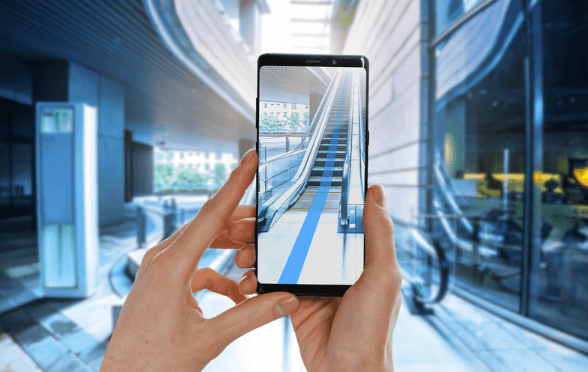
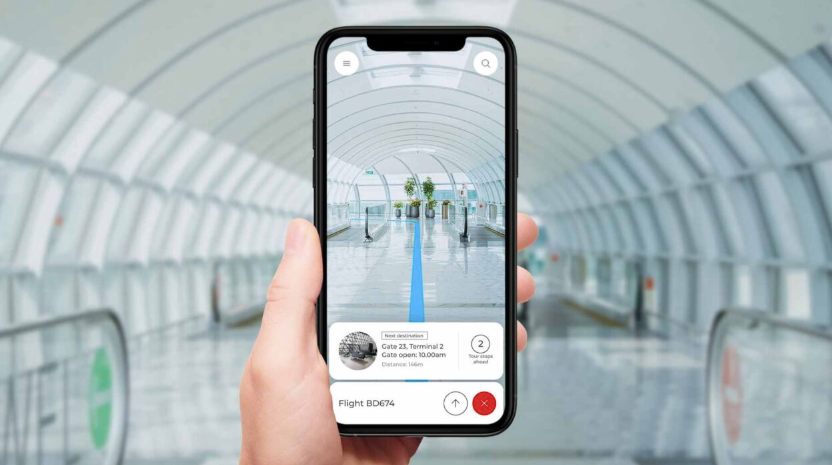
How can augmented reality (AR) revolutionize the way travelers navigate unfamiliar environments?
By integrating virtual landmarks into interactive maps, AR enhances spatial awareness, allowing users to receive real-time information and direction. This technology empowers travelers to explore confidently, transforming their experiences by merging digital content with the physical world.
Ultimately, AR fosters a sense of freedom and exploration in diverse travel landscapes.
See also: recordnewswire
Innovative AR Features in Shopping and Retail Applications
With the rise of e-commerce, innovative AR features in shopping and retail applications have emerged as a transformative force, bridging the gap between digital and physical shopping experiences.
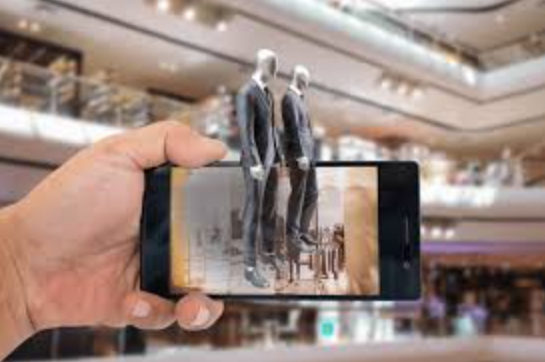
Virtual fitting rooms allow customers to try on clothing virtually, enhancing personal engagement.
Additionally, interactive displays provide immersive product information, fostering a more informed and enjoyable shopping environment.
Ultimately, this empowers consumers with greater freedom in their purchasing choices.
Future Trends: What’s Next for AR in Mobile Navigation?
The integration of augmented reality (AR) into mobile navigation is poised to redefine the way users interact with their surroundings.
Future trends will likely emphasize real time mapping capabilities, enhancing user engagement through immersive experiences.
Conclusion
In conclusion, augmented reality is paving the way for a transformative navigation experience in mobile applications, allowing users to find their way with unprecedented ease. As this technology continues to advance, it will not only enhance the way travelers interact with their surroundings but also reshape their decision-making processes. With AR on the rise, the future looks bright, and it seems that the sky’s the limit for innovative navigation solutions that blend the digital and physical worlds seamlessly.