AI is transforming transportation systems by enhancing safety and efficiency. Autonomous vehicles leverage advanced algorithms for real-time decision-making and navigation. Traffic management systems utilize AI to optimize flow and reduce congestion, promoting sustainability. However, significant challenges remain, including data privacy concerns and algorithm bias. Addressing these issues is crucial for the successful integration of AI in transportation. As developments continue, the future of these systems raises important questions about their impact on urban mobility and infrastructure.
How AI Enhances Autonomous Vehicles
Artificial intelligence (AI) serves as a critical backbone for the operation and advancement of autonomous vehicles, enabling them to navigate complex environments with a high degree of autonomy.
Through sensor fusion, AI integrates data from various sensors to create a comprehensive situational awareness.
This enhanced perception informs real-time decision making, allowing vehicles to respond dynamically to unpredictable conditions, thereby improving safety and efficiency.
See also: recordnewswire
The Role of AI in Traffic Management Systems
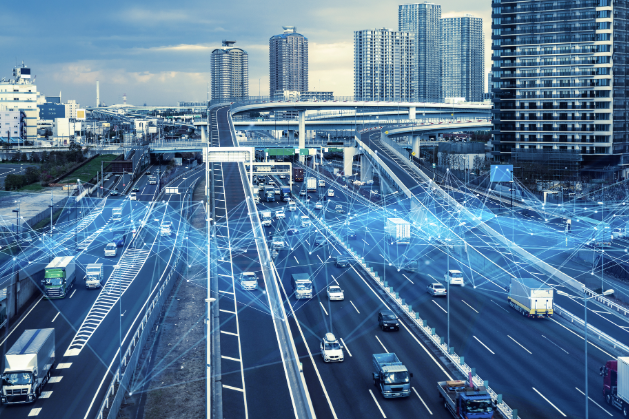
As urban populations continue to grow, efficient traffic management becomes increasingly crucial, and AI emerges as a powerful tool to address this challenge.
Overcoming Challenges in AI Transportation Solutions
While the potential of AI in transportation systems is substantial, several challenges must be addressed to ensure its effective implementation.
Key issues include safeguarding data privacy, mitigating algorithm bias, and enhancing infrastructure readiness.
Furthermore, robust cybersecurity measures are essential to protect against vulnerabilities that could jeopardize system integrity.
Addressing these challenges is critical for fostering public trust and optimizing AI-driven transportation solutions.
Future Trends in AI-Driven Transportation Systems
How will advancements in artificial intelligence reshape transportation systems in the coming years?
The integration of AI will enhance smart logistics, optimizing routes and reducing operational costs.
Additionally, predictive maintenance will ensure vehicles operate efficiently, minimizing downtime.
These innovations promise a more autonomous and responsive transportation landscape, empowering users with greater freedom while promoting sustainability and safety within urban environments.
Conclusion
As the sun sets on traditional transportation methods, a new dawn emerges, illuminated by AI’s transformative power. Autonomous vehicles glide seamlessly through urban landscapes, their sensors weaving a tapestry of real-time data. Meanwhile, traffic management systems pulse like a finely tuned orchestra, harmonizing the flow of commuter streams. However, shadows linger, with challenges of privacy and bias casting doubts. The road ahead is paved with potential, beckoning innovations that promise a dynamic and responsive transportation future.