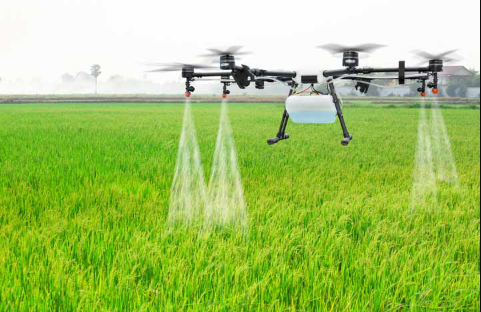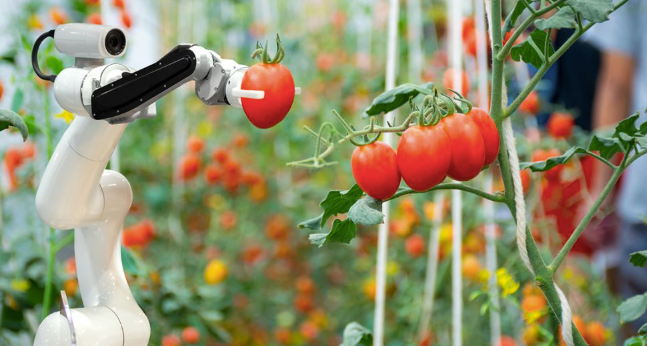
Agricultural robotics and automation are reshaping modern farming practices through advanced technologies. Precision farming tools and autonomous machinery enhance crop management, leading to increased yields and resource efficiency. These innovations address pressing agricultural challenges, including climate change and food security. However, the implications of these advancements extend beyond mere productivity. Understanding the full impact of these technologies on sustainability and future agricultural practices raises critical questions for the industry.
The Rise of Agricultural Robotics: Current Trends and Technologies
As the global demand for food continues to escalate, the agricultural sector increasingly embraces robotics to enhance productivity and efficiency.
Precision farming technologies, including sophisticated sensors and data analytics, empower farmers to optimize resource use.
Concurrently, autonomous vehicles revolutionize field operations, enabling tasks such as planting and harvesting to be executed with minimal human intervention, thereby transforming traditional farming into a highly automated, data-driven industry.
How Is Automation Enhancing Crop Management and Yield?
While the agricultural landscape faces increasing pressures from climate change and population growth, automation is poised to play a pivotal role in enhancing crop management and yield.
Through precision farming techniques, automated systems can analyze soil conditions, optimize planting schedules, and manage irrigation efficiently.
This integration of technology leads to yield optimization, ensuring sustainable production while addressing the complexities of modern agricultural demands.
See also: recordnewswire
Benefits of Robotics in Sustainable Farming Practices
Automation not only enhances crop management and yield but also significantly contributes to sustainable farming practices through the integration of robotics.
By employing precision farming techniques, robotic systems optimize resource efficiency, utilizing water, fertilizers, and pesticides judiciously.
This technological advancement fosters ecological balance, reduces environmental impact, and promotes sustainable land use, ultimately ensuring food security while minimizing agriculture’s carbon footprint.
Future Innovations: What’s Next for Agricultural Automation?
Emerging technologies in agricultural automation promise to revolutionize the industry by enhancing productivity and sustainability.
Future innovations will likely focus on precision farming, integrating advanced drone technology for real-time data analysis and crop monitoring.
These developments aim to optimize resource utilization, reduce waste, and enable autonomous systems, ultimately fostering a more resilient agricultural landscape that empowers farmers in their decision-making processes.
Conclusion
In conclusion, agricultural robotics and automation are not merely transforming farming—they are revolutionizing it at a cosmic scale, propelling humanity toward an era where food scarcity is an ancient myth. With precision technologies and intelligent systems, farmers wield the power of data like wizards crafting spells of efficiency and sustainability. As innovations continue to unfold, the agricultural landscape will not just adapt; it will thrive, ushering in a future where every harvest is a triumph of human ingenuity and robotic precision.